Pressure Reducing Valves
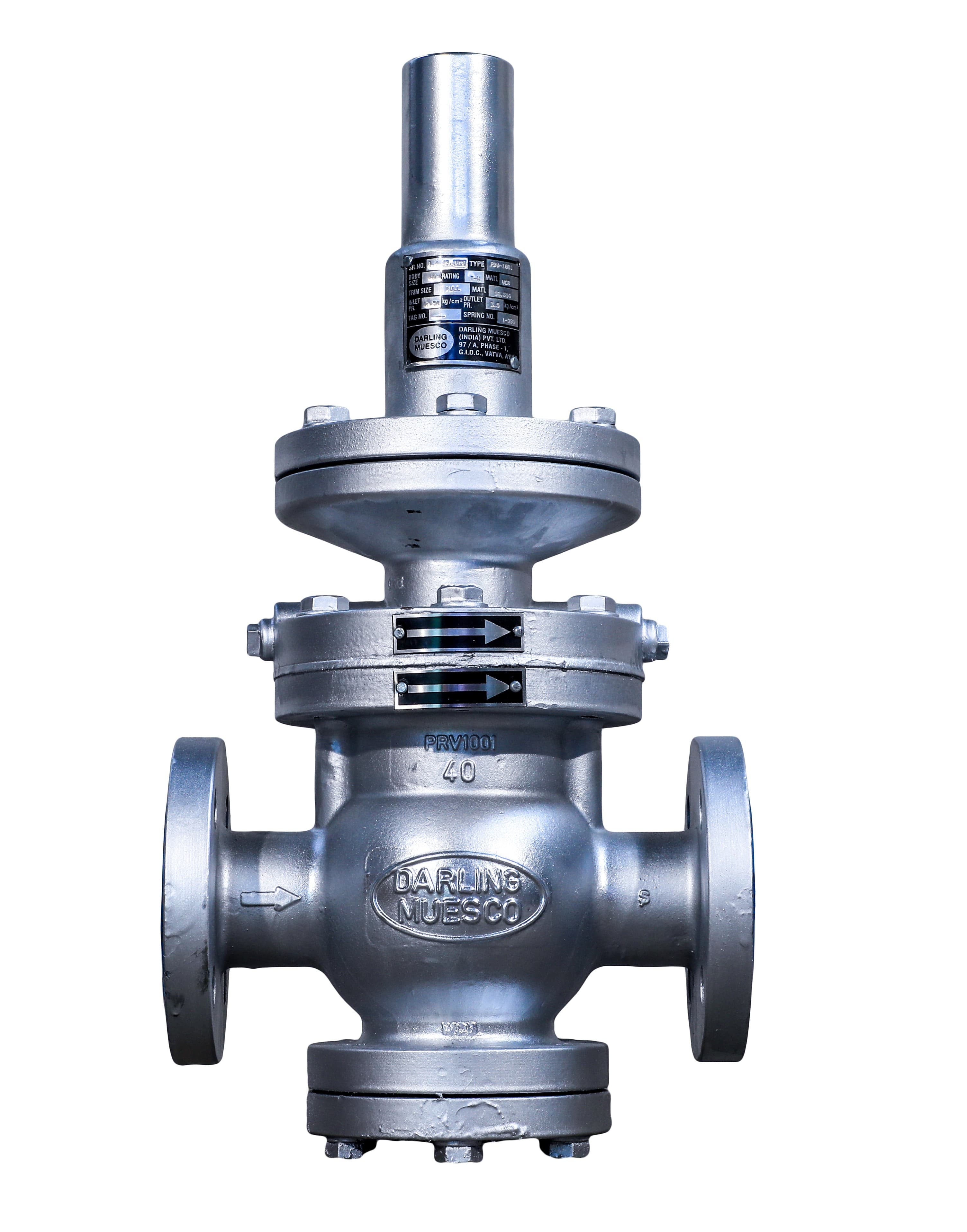
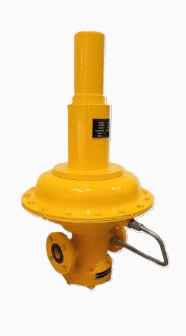
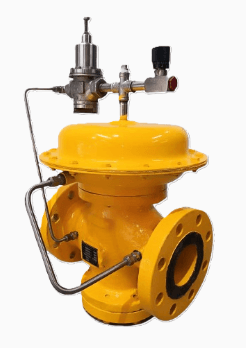
Pressure Reducing Valve - Gas & Air Pilot Operated (Series F-217)
By Darling Muesco
Pilot-operated gas and air regulator with single-stage reduction to 1/10th of inlet pressure and very low downstream fluctuation for critical gas distribution.
Specifications
- Size range
- 50 NB – 150 NB
- Max pressure
- 20 kg/cm²
- Fluid supported
- Nitrogen and gas
- Body material
- Cast steel
- Actuation
- Pilot operated
- Turndown
- Up to 10:1 single stage (outlet to 1/10th of inlet)
Overview
A pilot-operated gas and air pressure regulator capable of single-stage pressure reduction down to 1/10th of the inlet pressure with very low downstream fluctuation. Designed for active and monitor control configurations in series for natural gas pressure reducing systems. The pilot provides very high flow capacity with precise regulation, making it the preferred choice for critical gas distribution infrastructure. Supplied, sized and serviced for gas systems across Nepal.
Features & Benefits
- Single-stage reduction to 1/10th of inlet pressure eliminates the need for two-stage regulator trains in most gas distribution applications, reducing installation cost, footprint, and maintenance points.
- Pilot operation gives markedly lower outlet pressure fluctuation than direct-acting regulators, which is critical in natural gas supply to burners and process equipment where pressure variation causes flame instability or process deviation.
- Active and monitor series configuration capability means two F-217 units can be installed in series where one actively regulates and the other acts as a backup monitor, a mandatory arrangement in many gas utility and safety codes.
- Very high flow capacity through the pilot-amplified main valve means the regulator does not need to be oversized to meet peak demand, avoiding the instability that comes from running an oversized PRV at low partial loads.
- Cast steel construction at up to 20 Kg/cm² inlet pressure handles the mechanical stress of high-pressure gas distribution headers that would be outside the rating of diaphragm-only direct-acting regulators.