Pressure Reducing Stations
Pressure Reducing Station - Water Application
By Darling Muesco
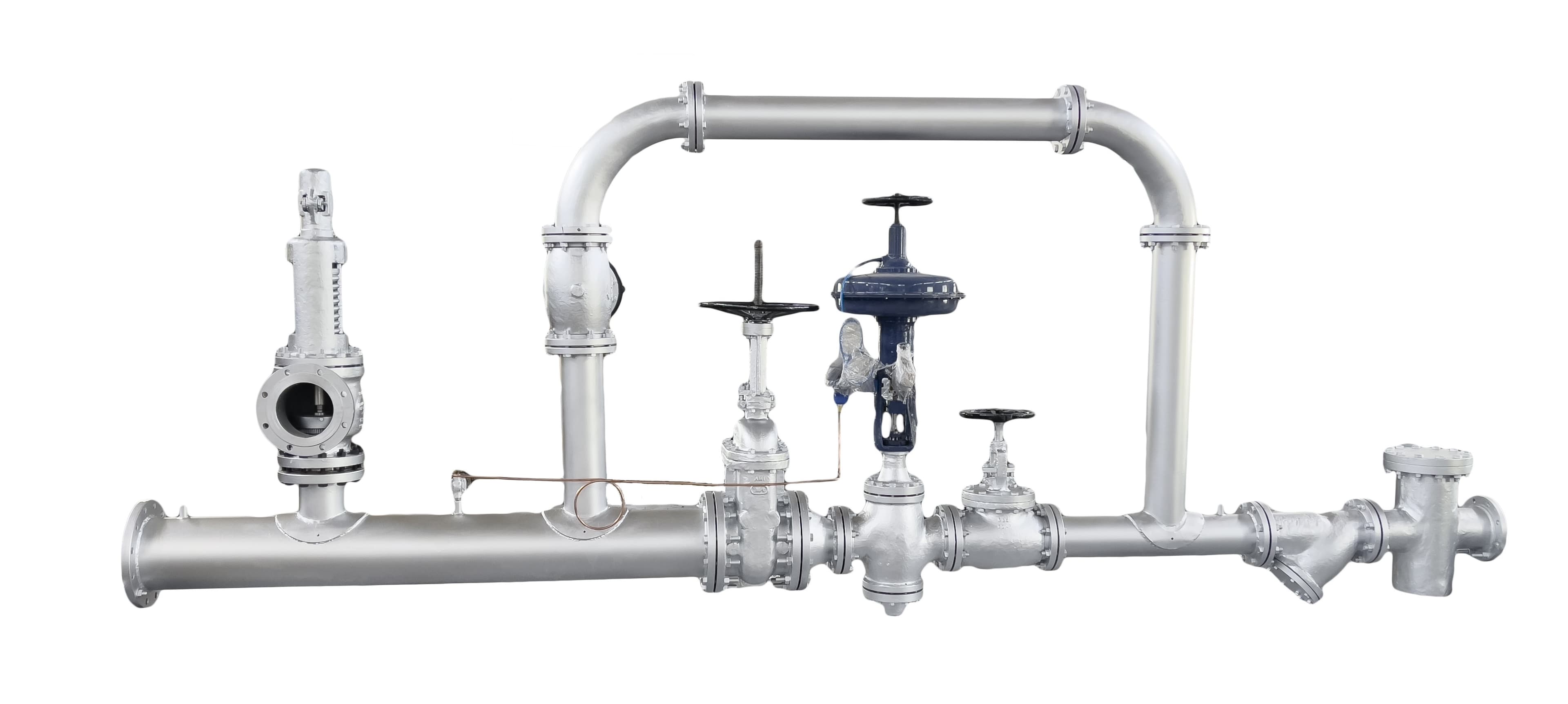
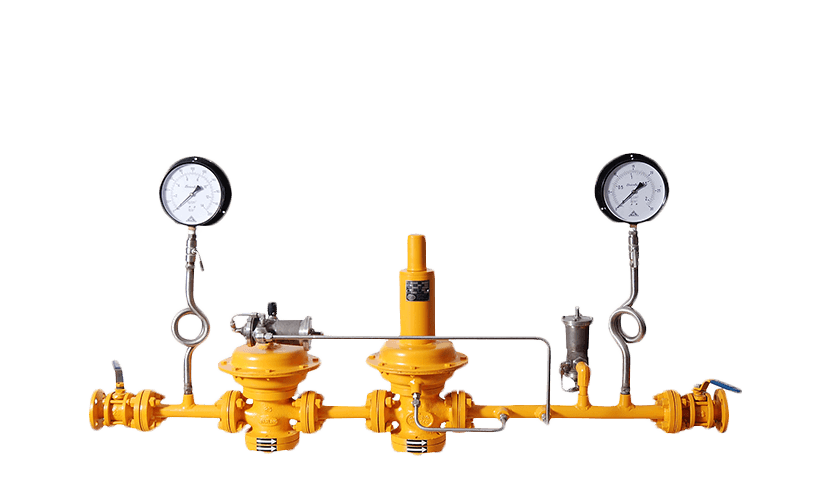
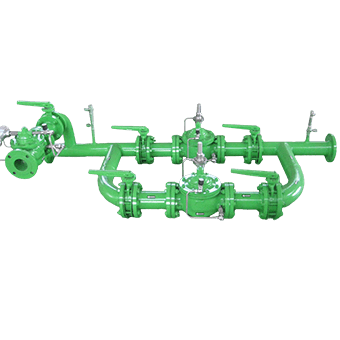
Factory-assembled water pressure reducing station with diaphragm-operated reducing valve and integrated safety shut-off, custom-sized to your flow and pressure.
Specifications
- Size range
- 25NB – 200NB
- Inlet pressure
- 10 – 20 kg/cm²
- Outlet pressure
- 2 – 10 kg/cm²
- Body material
- Cast steel / alloy steel / stainless steel
- Safety features
- Safety shut-off (over/under pressure), diaphragm reducing valve
- Applications
- Water pressure reduction and distribution systems
Overview
A complete factory-assembled pressure reducing station engineered for controlling pressure in water systems. Each unit is custom-sized to customer inlet pressure, outlet pressure, and flow requirements. Safety shut-off valves with overpressure and underpressure settings and diaphragm-operated reducing valves can be incorporated as required. Supplied, sized and serviced for water systems across Nepal.
Features & Benefits
- Diaphragm-operated reducing valve provides smooth, continuous pressure regulation without the hunting or pressure spikes common in piston-type regulators, which is important for water distribution systems serving sensitive end-use equipment.
- Outlet pressure range of 2 to 10 Kg/cm² covers typical building services, fire protection, and process water supply pressures in a single product family.
- Custom sizing per flow rate and pressure parameters prevents the chronic over-pressuring seen when a standard off-the-shelf station is installed without proper hydraulic sizing.
- Stainless steel material option suits potable water and food-grade water systems where carbon or alloy steel would introduce contamination or corrosion byproducts.
- Integrated overpressure and underpressure safety shut-off protects downstream plumbing, instrumentation, and end-use equipment from both pressure surges and supply failure conditions.
- Factory-assembled delivery reduces site installation time and eliminates field assembly errors in the valve train, which are a common source of leakage and misalignment in field-built stations.