Piston Valves
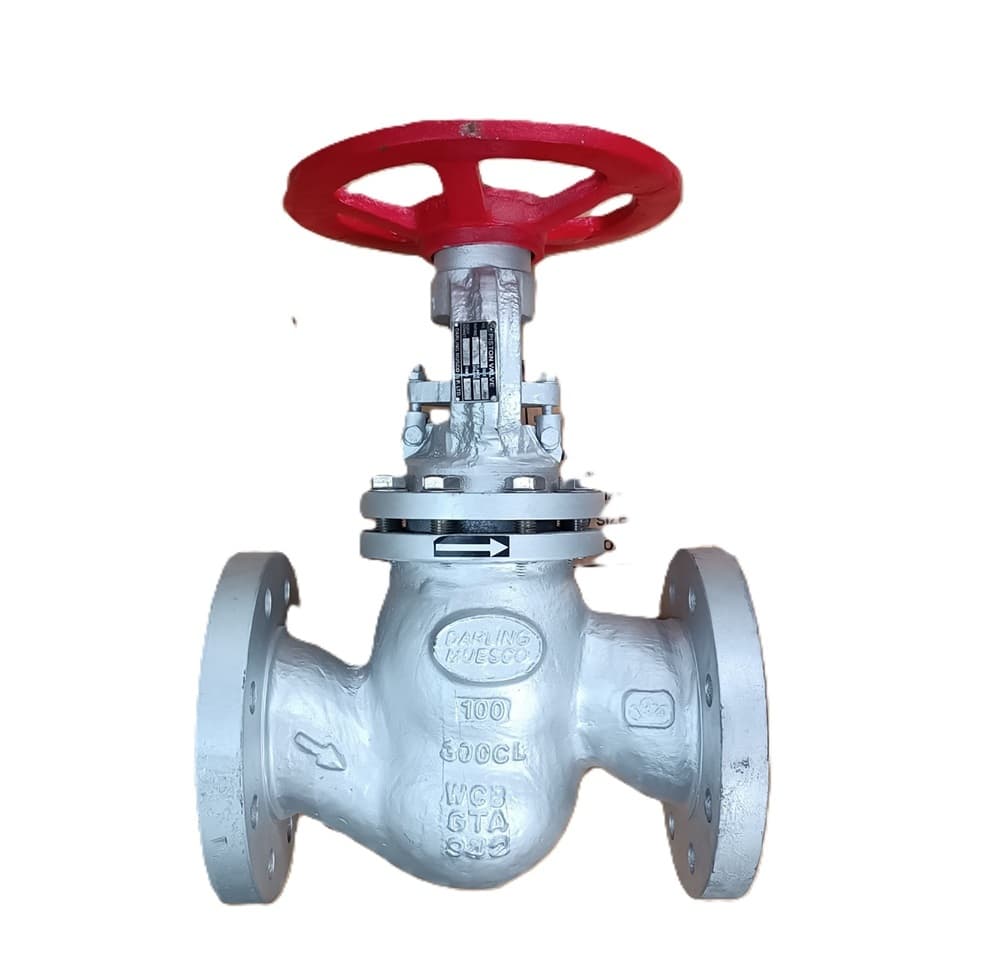
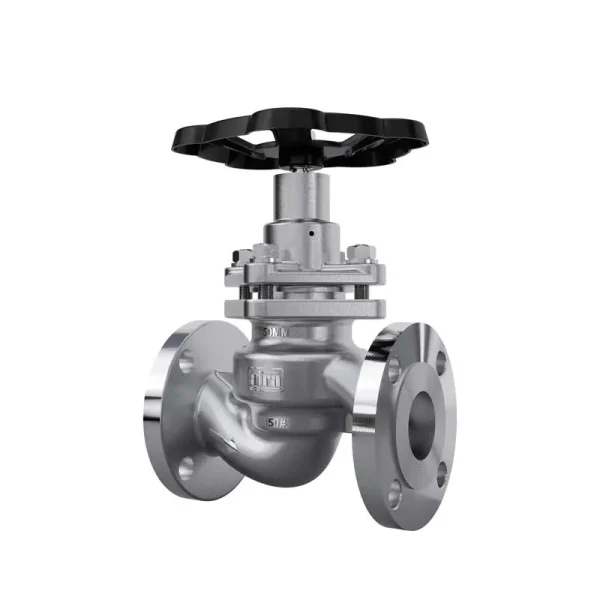
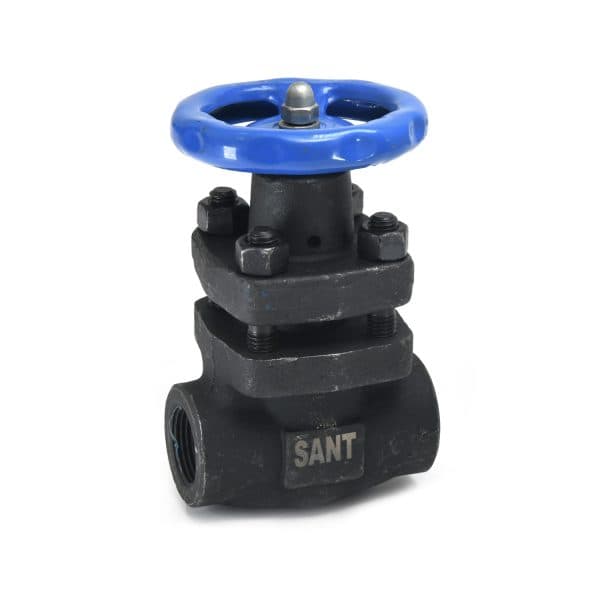
CSPVF Cast Steel Piston Valve
By Sant Valves
Cast steel OS&Y rising-stem piston valve with renewable seat and graphite seal for reliable Class 150 flanged isolation in industrial service.
Specifications
- Pressure class
- Class-150
- Body material
- C.C.S. (ASTM A-216 Gr. WCB)
- Design
- Bolted Bonnet, Outside Screw and Yoke (OS&Y), Rising Stem
- Seat type
- Renewable
- Closure type
- Piston Type
- Trim
- AISI-410
- End connection
- Flanged as per ASME B16.5 Class-150
- Body test pressure
- 30 Barg (435 Psig) Hydrostatic
- Seat test pressure
- 22 Barg (350 Psig) Hydrostatic
- HSN code
- 84818090
Overview
A cast steel piston-type isolation valve with bolted bonnet, outside screw and yoke construction and a rising stem. Built to Class-150 rating with flanged ends per ASME B16.5, featuring a renewable seat and AISI-410 trim. Uses a graphite seal and AISI-420 piston for reliable sealing in industrial isolation duty. Supplied, sized and serviced for process plants across Nepal.
Features & Benefits
- Graphite seal material handles high temperature and provides reliable long-term sealing without the degradation that elastomer seals would experience in hot or steam service, which is the standard choice for cast steel valves rated this way.
- Renewable seat design means the seat can be re-machined or replaced when worn rather than scrapping the valve body, significantly extending service life on a piston valve where the seat is the primary wear component.
- Outside screw and yoke (OS&Y) rising stem gives a clear visual indication of valve position and keeps the stem threads isolated from the process fluid, reducing thread corrosion and seizure risk.
- Cast steel body to ASTM A216 Gr. WCB at Class-150 provides a good balance of pressure capability and cost for general industrial isolation duty, where forged steel would be unnecessary expense.
- Body and seat hydrostatic test pressures (30 Barg body, 22 Barg seat) substantially exceed the Class-150 rated working pressure, giving a documented safety margin verified at manufacture.
- Piston guide cast in the same WCB material as the body ensures consistent thermal expansion behavior, reducing the risk of binding or galling between the piston and guide under temperature cycling.
Dimensions
All dimensions in mm
| Size (mm) | Size (inch) | F | D | d | C |
|---|---|---|---|---|---|
| 25 | 1" | 127 | 110 | 50.8 | 14.2 |
| 40 | 1.1/2" | 165 | 125 | 73 | 17.5 |
| 50 | 2" | 203 | 150 | 92 | 19.1 |
| 80 | 3" | 241 | 190 | 127 | 23.9 |
| 100 | 4" | 292 | 230 | 157 | 23.9 |
- All dimensions are in mm.
- Dimensions shown here are for indicative purposes only. Please contact our representative for exact dimensions.
Materials of Construction
All dimensions in
| Component | Material |
|---|---|
| Body | C.C.S. (ASTM A216 Gr.WCB) |
| Bonnet | ASTM A216 Gr.WCB |
| Piston Guide | ASTM A216 Gr.WCB |
| Piston | AISI-420 |
| Stem | AISI-1045 |
| Seal | Graphite |
| Handwheel | Cast Iron (CI) |
| Bush | Copper (Cu) |
| Nut, Studs | AISI-1045 |