Piston Valves
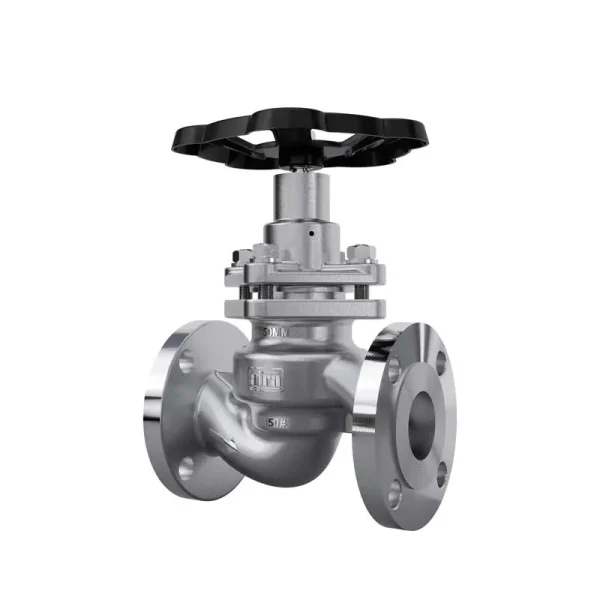
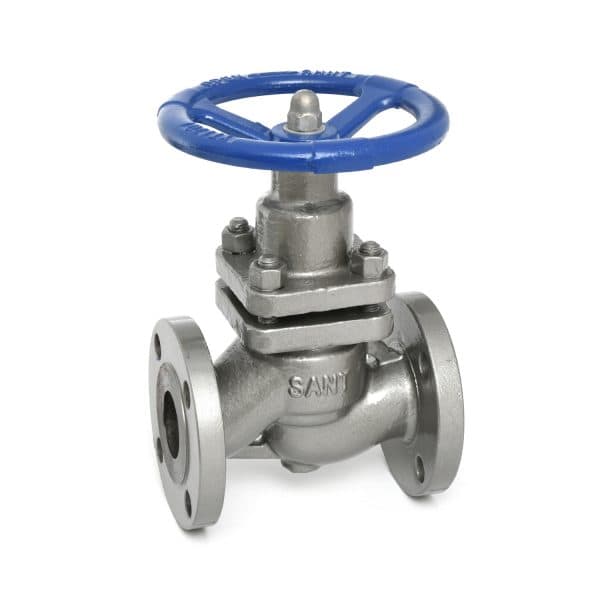
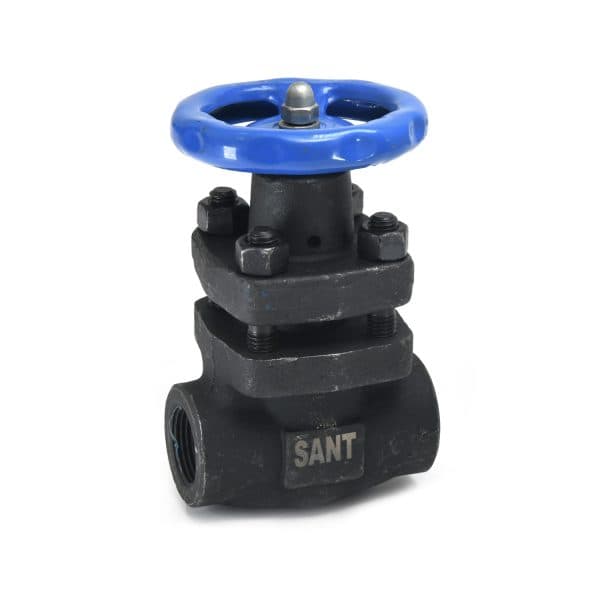
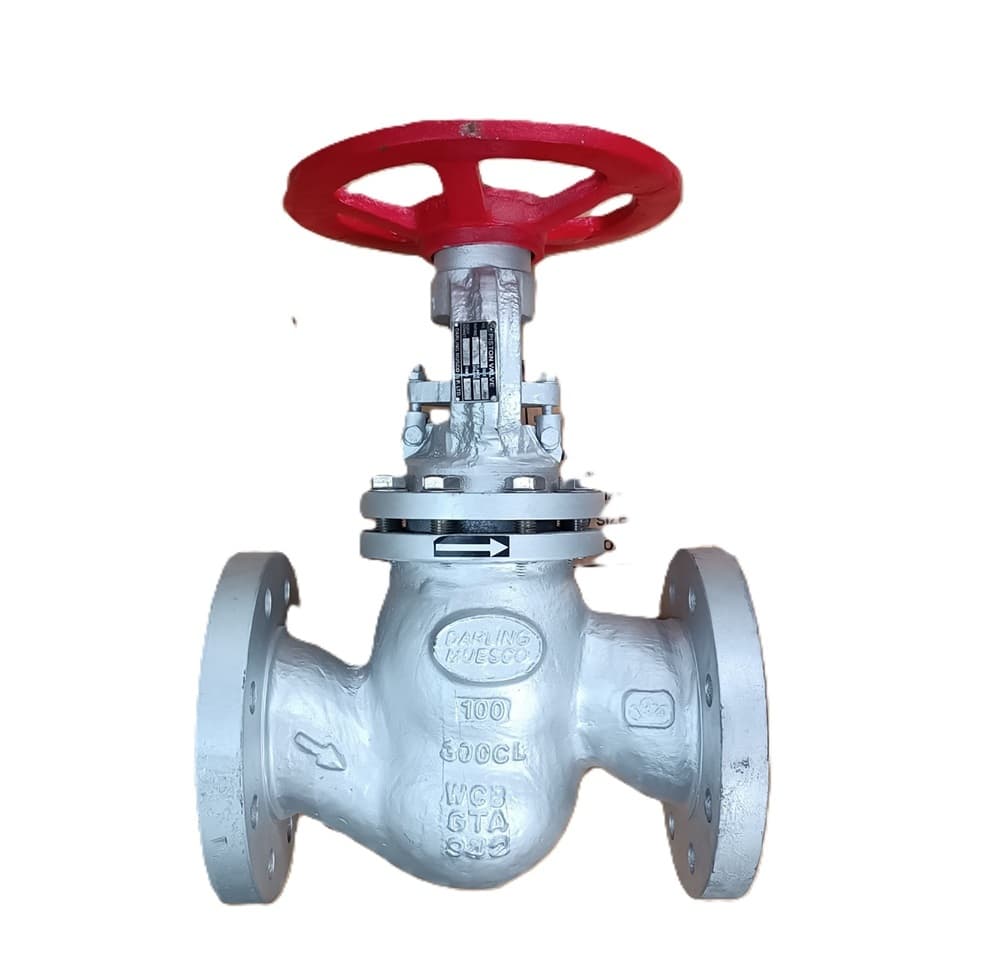
Piston Valve - Seatless and Glandless Design
By Darling Muesco
Seatless, glandless piston valve that seals on two elastic rings with a self-wiping stainless piston for reliable isolation of fibrous and contaminated media.
Specifications
- Size range
- 1" (25 mm) – 10" (250 mm)
- Design
- Seatless and glandless
- Piston material
- Stainless steel
- Sealing elements
- Two elastic rings (upper: stem seal, lower: passage seal)
- Fluid contact
- Bottom of piston only (non-sealing surface)
Overview
A seatless and glandless piston valve where sealing is achieved by a stainless steel piston and two special elastic rings that surround the piston tightly. The upper ring provides the stem seal and the lower ring seals the passage. No direct contact occurs between the piston sealing surface and the fluid, eliminating corrosion risk on the sealing faces. On closing, the piston pushes and wipes impurities ahead of itself, making it reliably suitable for fibrous, contaminated, or particle-laden media. Supplied, sized and serviced for process plants across Nepal.
Features & Benefits
- Seatless design eliminates the metal-to-metal or soft seat sealing surface that conventional valves rely on, removing the primary wear point and corrosion risk in the sealing mechanism entirely.
- Glandless construction means there is no traditional packing gland around the stem, which is the most common source of fugitive emissions and leakage in service-aged valves.
- Large elastic ring sealing surface distributes the sealing load over a wide contact area rather than concentrating it on a narrow seat line, which maintains sealing integrity even as the rings wear gradually over time.
- Self-wiping action of the piston closing stroke clears fibrous, particulate, or contaminated media from the sealing zone ahead of the rings, preventing ingestion of solids into the seal that would compromise shutoff in a conventional valve.
- No fluid contact with the sealing surfaces of the piston prevents chemical attack or scaling on the parts that matter most for performance, extending service life significantly in corrosive or scaling fluid applications.
- Dual-ring arrangement with independent stem and passage sealing provides redundancy — degradation of one ring does not immediately cause a full seal failure, giving early warning through leakage monitoring before a complete loss of shutoff.